

Story by Molly O’Brien
Photography by Alyson McClaran
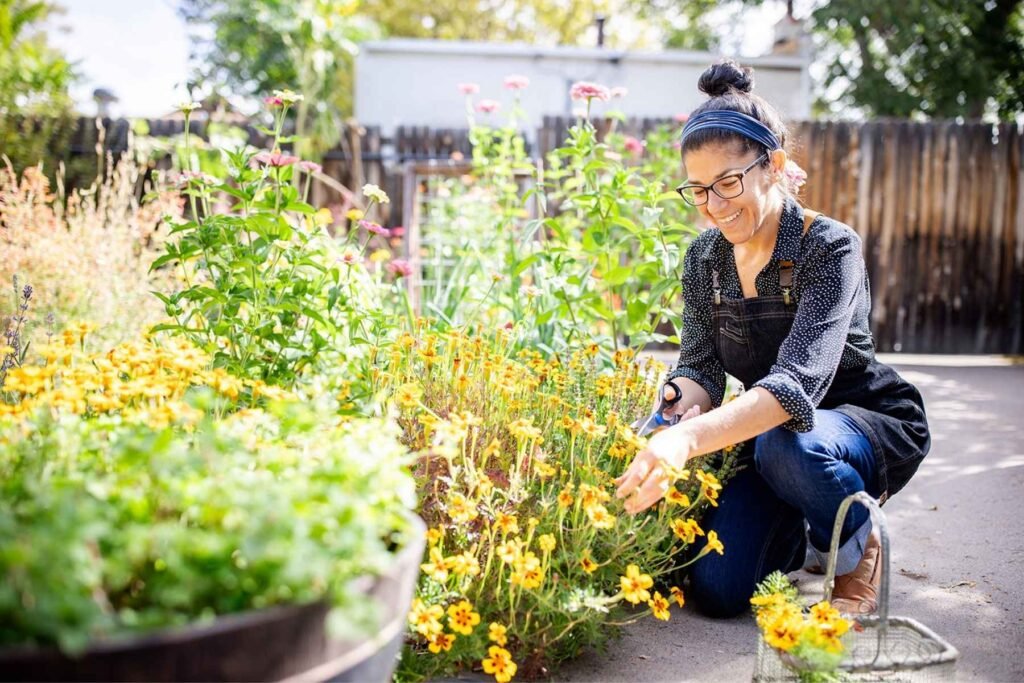
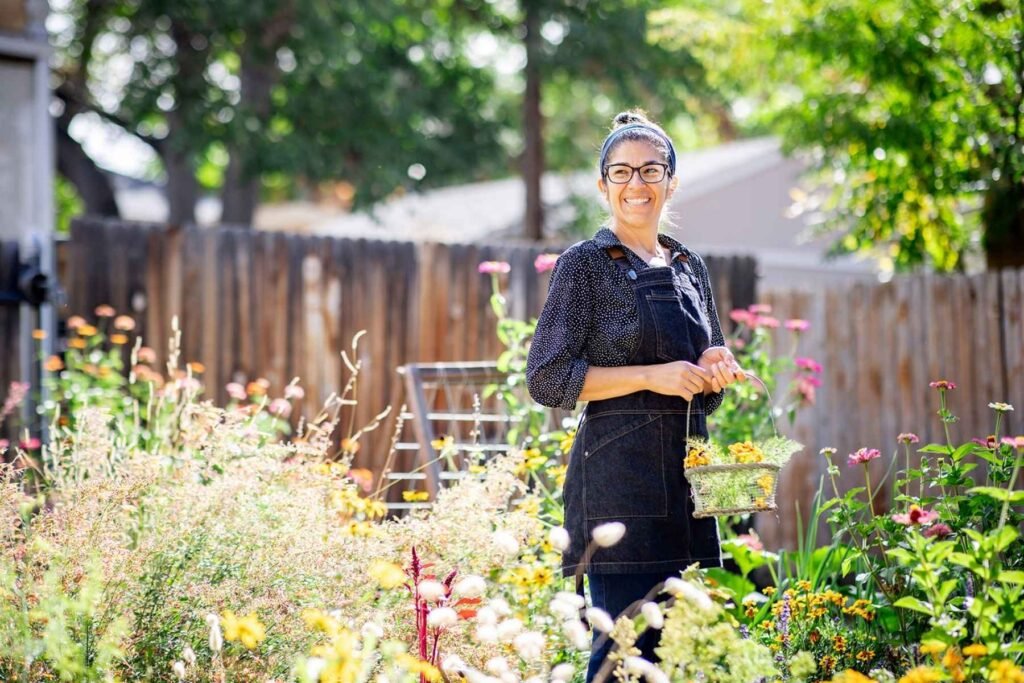
“The hospitality [element] of our jobs is important — but really, our business is serving food. And food has such a ginormous impact on the climate, on the environment, and in communities, that if we as restaurants take that and turn it around and actually do things better, we can have a hugely positive impact,” says Paula Thomas, director of sustainability at Denver restaurants Restaurant Olivia and Dear Emilia.
In her position, Paula explores opportunities to improve traditional sustainability initiatives including recycling and composting while delving into areas for improvement, such as understanding where their ingredients come from, and forming closer relationships with local producers.
One of her first acts upon getting hired in 2024 was to conduct an audit into vendors her restaurants were utilizing. Colorado-based meat producers were easy enough to find, but she recognized it beneficial to seek additional local purveyors in less common areas.
“When you think about commodities like flour, sugar, chocolate, and vanilla, all those get tossed to the side when we’re thinking about better sourcing — we tend to think about vegetables, only,” she says. “We now only get organic fruit tree sugar.” She encourages consumers to consider where they source these types of commodities, especially if they’re grown in industrial ways, using chemicals.

Here she offers a few easy tips to increase sustainability and decrease food waste at home:
- Begin with making a goal for the next month to improve in one area; whether to find sources of produce or grains more locally, waste less food overall, or decrease spending on items not really needed.
- Then conduct a two-week food waste audit. What am I buying? How much? Where do I get my stuff from? How much am I wasting every week? Actually take written notes. Wedontwaste.org is a useful “at-home audit” and tracker tool.
- Research how to work with local waste management companies, like Scraps Mile High for compost and Ridwell for hard-to-recycle materials including bottle caps, bread tags, batteries, corks, used kitchenware, and multi-layer plastics.
“How do I track energy usage? How do I track water usage? Sometimes people think sustainability is [only], ‘Don’t waste food — or just compost,’” Paula says. “And I like to look at sustainability as a 360 of how everything that we do has an impact.”
It is crucial to track metrics from year to year, to see where improvement has been made and what may need more work. But it doesn’t have to be done simultaneously. “It can get overwhelming. Just try one thing at a time. The idea is to put yourself in a strategic position to create wonderful change, if just taking the time.”