


Xiquita and Raquelita’s Tortillas shine a light on this humble and historic staple.
Story by Carly DeFilippo
Photography by Lauren DeFilippo
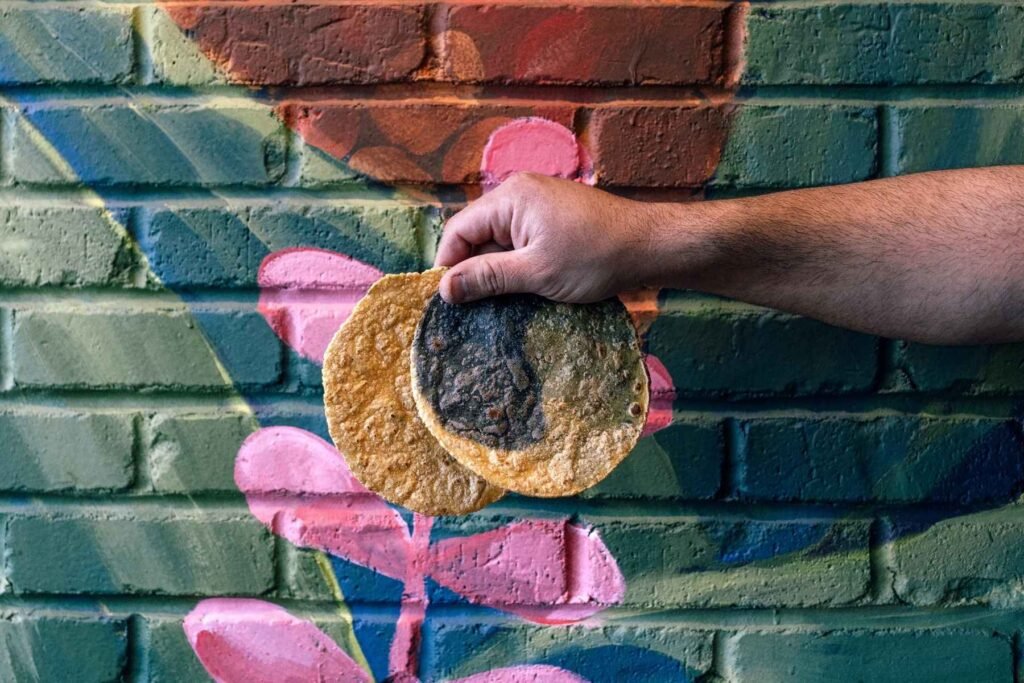
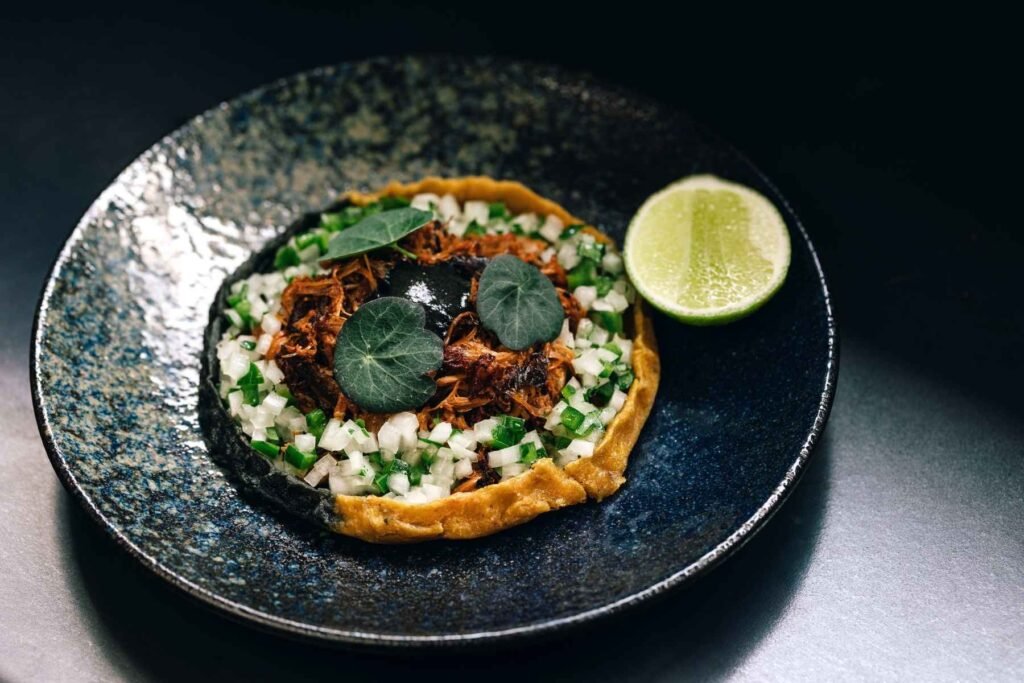
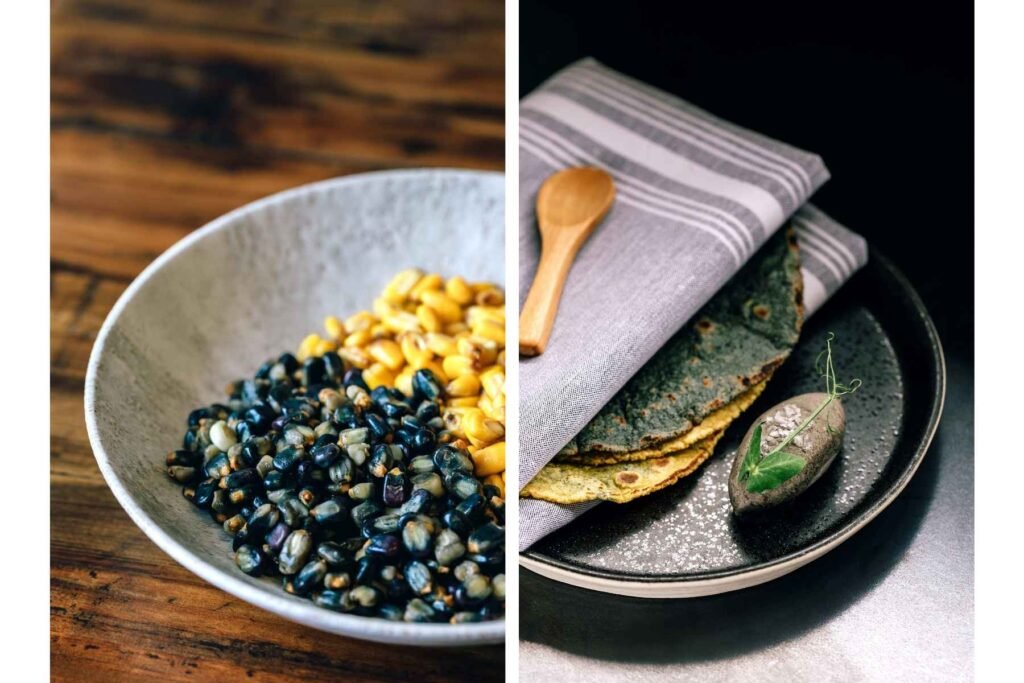
In the first few moments at Xiquita, an ancestral Mexican restaurant from Chef Erasmo “Ras” Casiano, the waiter will promptly deliver a small plate of warm tortillas, paired with ash-infused butter. Rugged in appearance, with hues of earthy blue and rustic gold, these are no ordinary carbs. In fact, they may be the most memorable bite of the meal.
From sourdough bread to bronze-die-cut pasta, avid cooks and diners will already be familiar with the advancement of artisanal, quality starches over flavorless grocery store staples. Yet while the trends surrounding grain-based European products are almost old hat, the elevation of staples from other cultures has often lagged behind — and the humble tortilla is finally getting its moment in the sun.
Even within Denver’s sizable Mexican American community, this heritage product hasn’t always gotten its due. “While nixtamalization is becoming a sexy thing now, there was a time when it wasn’t cool,” says Rich Schneider, referring to the ancient Mesoamerican process of soaking and cooking dried maize in an alkaline solution (usually limewater or hardwood ash) to improve digestibility, nutritional value, and flavor. Rich and his brother, Raul DeLaTorre, are second-generation owners of Raquelitas Tortillas. “Our business has been doing things the traditional way since the 1940s, but for about 30 years the old ways fell out of fashion.”
Chef Ras was more than two decades into his career before he felt called to dig deeper into his community’s food traditions. “I remember being at Teotihuacan, near Mexico City, and I felt something deeper in my roots calling to me,” he says. “It struck me that our ancestors, who surrendered under the pressure of colonization and wars, refused to let go of this one part of their culture.”
This realization motivated Chef Ras to explore the history of masa and tortillas, and thousands of years of heritage and evolution. On his menu, curious diners can find an entire section dedicated to masa (dough made of nixtamalized corn) in its many forms, and each dish portrays a small snippet of history.
“There are many different regional interpretations and traditions in Mexico. I was moved to learn that the country recognizes both Spanish and 68 indigenous languages, paying respect to all the communities that came before colonization. That’s why we call Xiquita ancestral instead of authentic — we’re trying to tell a story that predates the expectations of modern Mexicans and Mexican Americans.”
While Chef Ras is only a few years into exploring the “old ways,” Rich can vividly remember a time when artisanal tortillas were a hard sell. “In the ’70s, my brother and I were going door to door, showing restaurant owners all the things they could do with our products. We had tortillas thrown at us — told to get out. It’s incredible to go from that environment to being celebrated, honored, and awarded for our work.”
By the late ’80s, interest in Mexican cuisine had begun to expand and Raquelita’s became one of the premier commercial distributors in the region. For years, they were the secret weapon for countless Colorado chefs.
“It’s cool to make a canvas that can inspire the artist,” Rich reflects. “I’ve seen chefs get tears in their eyes because they’re reminded of their grandmothers’ kitchens.” But that sense of tradition and quality is also balanced with innovation: “When the ‘trash can nacho’ trend happened, local chefs couldn’t find chips that stood up [to the weight and moisture of the other ingredients]. We partnered with a local brewery to source spent grain and created a sturdier chip, Nachos Borrachos [meaning ‘drunken nachos’], that really put us on the map.”
Though the scale of their work differs dramatically, Chef Ras and Rich have both chosen to partner with Colorado farmers from the Ute Mountain Ute Tribe to source non-GMO, locally grown corn. In addition to the benefits of working with sustainably farmed heritage ingredients, this link to local indigenous communities seems to parallel the pre-colonial origins of nixtamalization in Mexico.
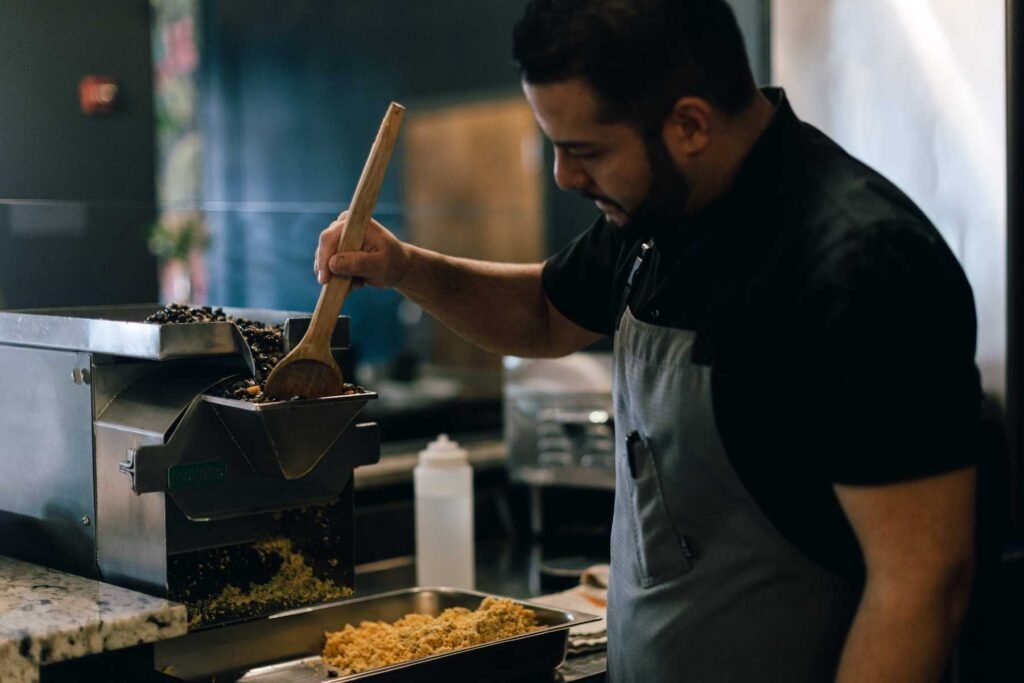
“Masa transcends borders,” Chef Ras notes. “After originally sourcing Mexican corn, we wanted to work with a local partner, and the Bow & Arrow brand — grown on protected Ute Tribe land — still speaks to the history of corn itself. We nixtamalize the full grain with a compound naturally found in ash and let it rest for 15 hours before milling on a traditional molino [grindstone] made with basalt lava rock. It’s a slow process, but one that breaks down the structure and releases the nutritional qualities of the kernel.”
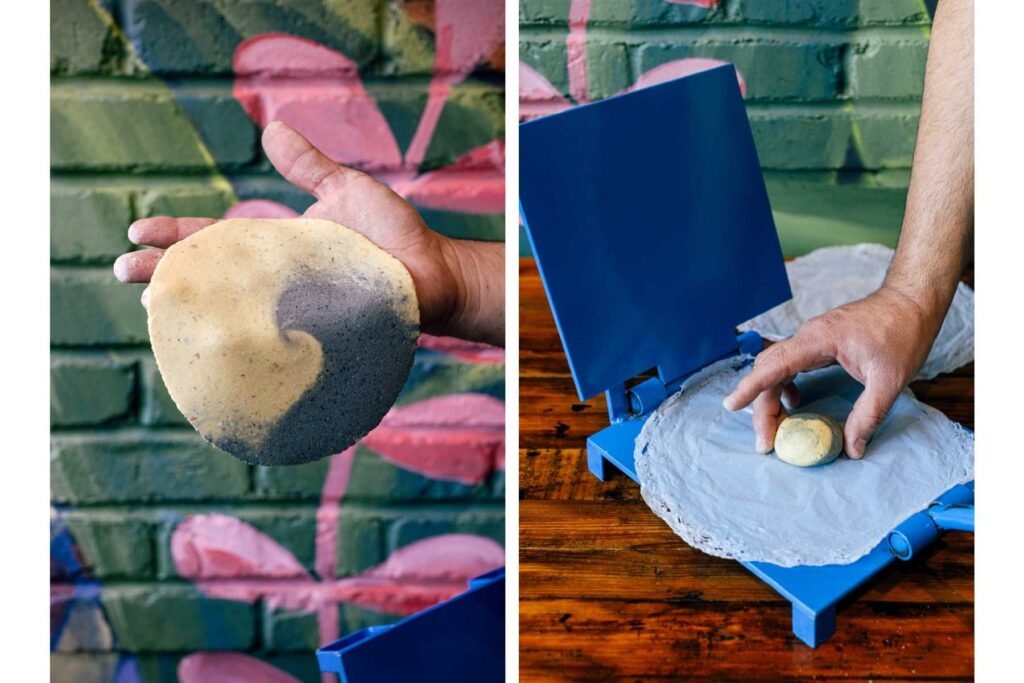
At Raquelitas, despite the commercial nature of their operations, the process is remarkably similar. “We’re working with 10–13,000 pounds of corn each day, but we haven’t opted for more efficient ways to nixtamalize the corn,” Rich emphasizes. “What is different is that we press our tortillas under 1,000 pounds of pressure, which makes for a stronger, more durable product. We also work with chefs to create custom items, like a charred scallion tortilla for Pig and Tiger. But nothing about our product is uniform; you get something that is consistent in quality, but that looks like it was made by humans.”
Over the past several years, the growth in demand for Raquelita’s products gave Ben Williamson, Rich’s nephew, an idea for how the brand could directly connect with local fans. “The RiNo neighborhood used to be an industrial area, but it’s a food mecca now,” reflects Ben. “People kept stopping by our office, so I pitched my uncles on opening our doors to the public each weekend, offering whatever was freshest and letting people taste things on-site.”
That demand from destination diners and ingredient-driven home cooks may be the surest sign that we’re approaching peak tortilla. It’s a moment not of market saturation but of deepening appreciation for the craft of this essential foodstuff. So, whether being drawn to the elemental quality of Xiquita’s tortilla “bread service” or inspired by the ongoing innovation of Raquelita’s product line, there’s never been a better moment to question assumptions of Mexican cuisine and to explore cultural origins of this overlooked product.